

Blog
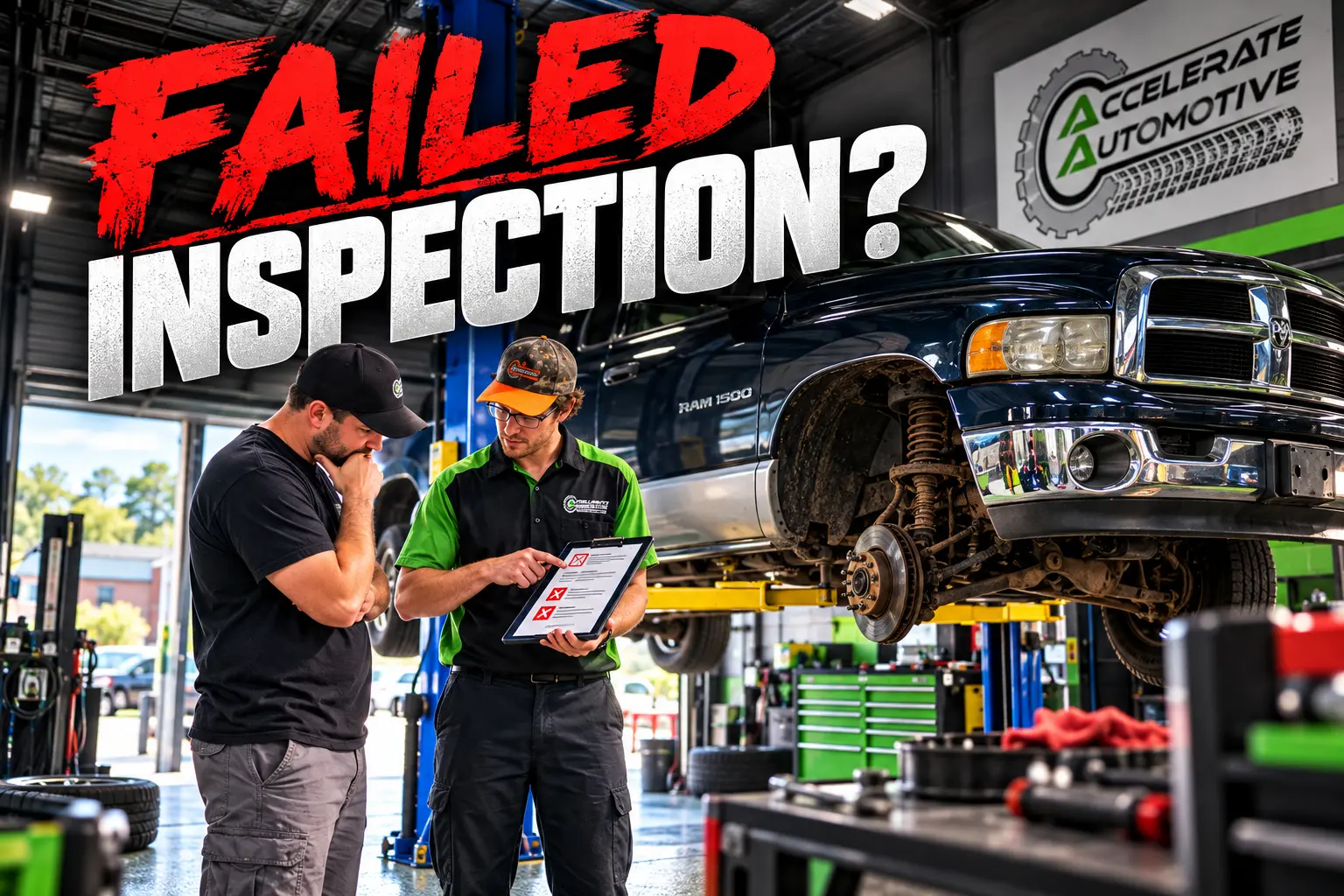
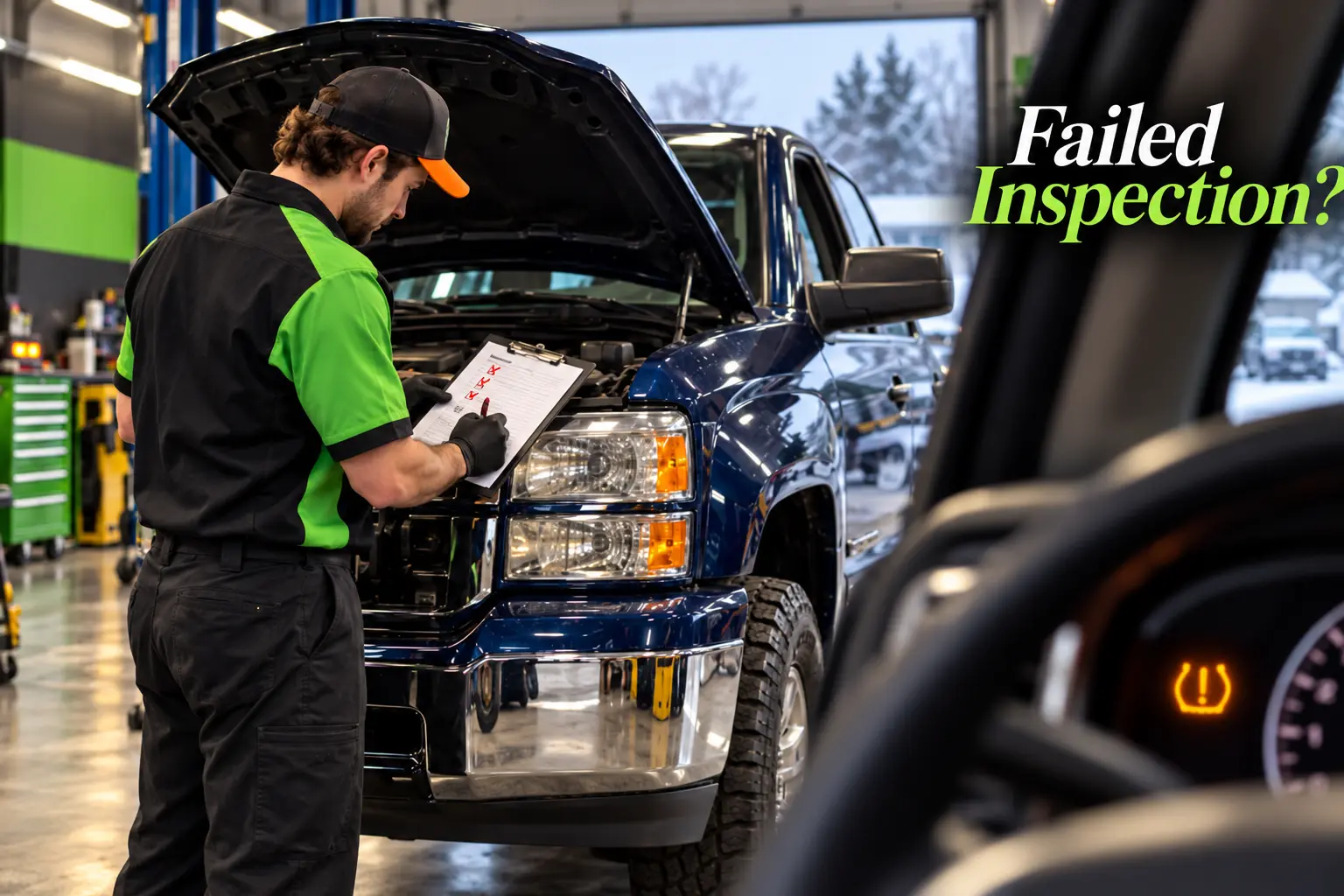
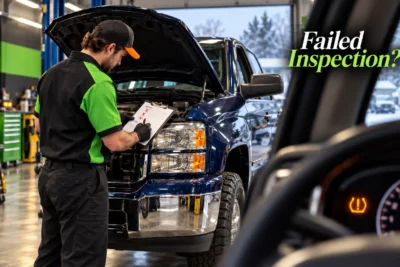
Your car starts, drives and gets you to work. Then inspection day arrives and you’re handed a list of repairs you weren’t expecting.
If you’re searching for “failed PA state inspection York PA,” you probably have three questions: What actually failed? What needs fixing? Can you still drive?
Start with the inspection findings, not a shopping list of replacement parts. Understanding the specific defect helps you make a sensible repair decision and avoid paying for work that doesn’t address the problem.
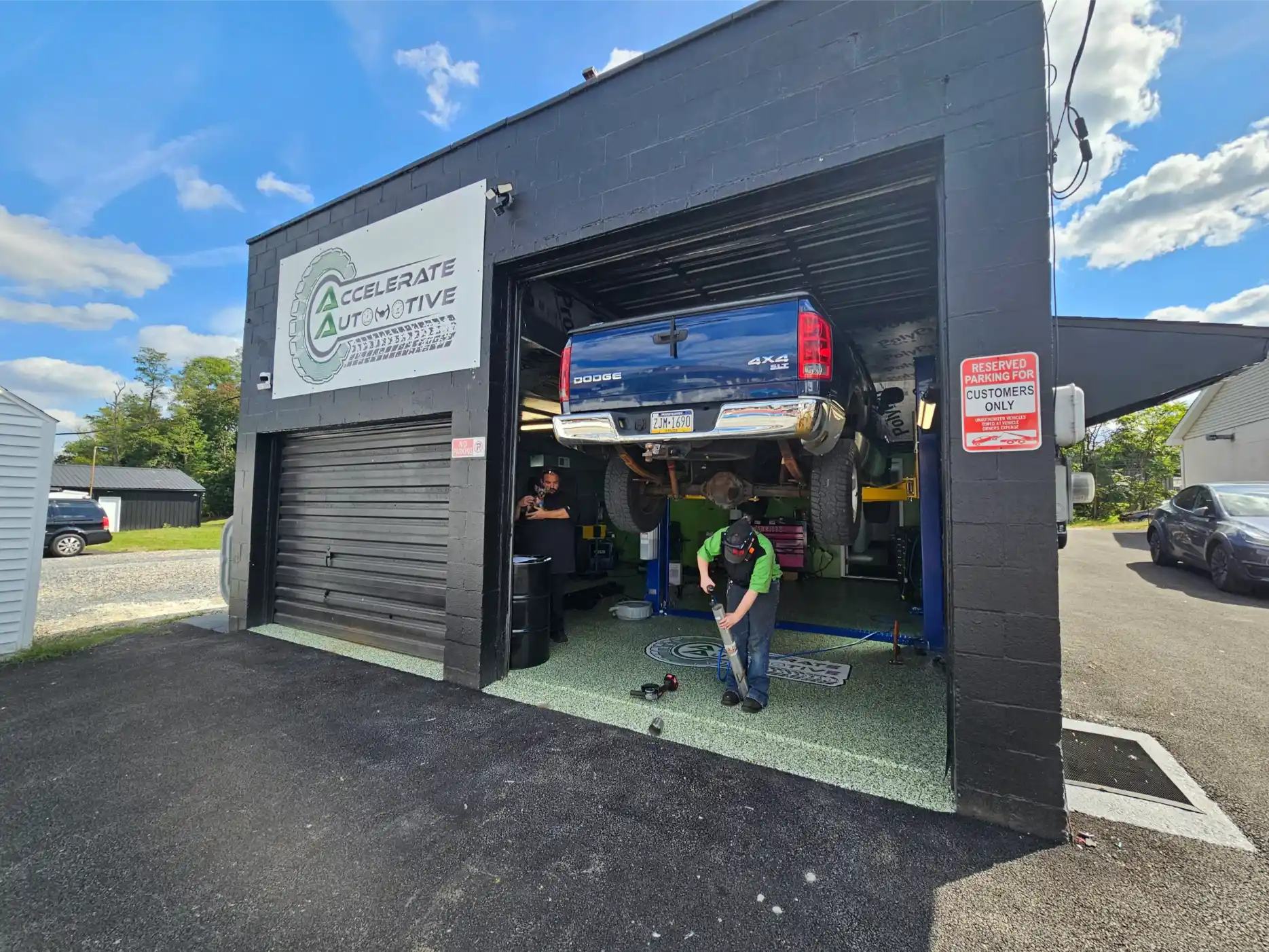
At Accelerate Automotive in West York, we help local drivers with inspections, diagnostics and repairs. Here’s how to approach a failed inspection, from understanding the results to preparing for another test.
Failed PA State Inspection York PA: What Should You Do First?
Ask the shop to explain each failed item, identify any immediate safety concerns and provide an itemized repair estimate. Confirm whether the vehicle failed its safety inspection, emissions test or both.
Before approving work, ask:
- Which component failed and what condition caused the failure?
- Can you show me the defect, measurement or test result?
- Which repairs are necessary to pass?
- Which recommendations are preventive maintenance?
- What will the repair and any additional testing cost?
That distinction matters. A maintenance recommendation and an inspection failure aren’t automatically the same thing.
Keep your inspection paperwork and any recent repair receipts. If another shop evaluates the vehicle, those records help explain what has already been checked.
What Is the Difference Between Safety Inspection and Emissions Testing?
A safety inspection evaluates specified vehicle equipment and mechanical conditions. An emissions inspection evaluates the emissions-related systems covered by the applicable testing program.
PennDOT identifies brakes, steering, suspension, tires, lighting, glass, wipers, exhaust and body or chassis components among the items checked on passenger cars and light-duty trucks. Its consumer safety inspection guidance explains the scope and directs drivers to the detailed rejection criteria.
York County participates in Pennsylvania’s emissions inspection program, although individual vehicle requirements and exemptions vary.
A vehicle can have satisfactory brakes and tires yet need emissions-related diagnosis. Equally, fixing a check engine light won’t resolve worn steering components.
Accelerate Automotive provides Pennsylvania state inspections and emissions testing in York, PA. When scheduling, mention any previous failure so the shop understands what needs attention.
What Problems Can Cause a Pennsylvania Safety Inspection Failure?
A car doesn’t need to break down to have an inspection issue. Some defects develop gradually and others are difficult to spot without checking underneath the vehicle.
The following areas deserve attention when reviewing your inspection results.
Brake Wear, Leaks and Parking Brake Problems
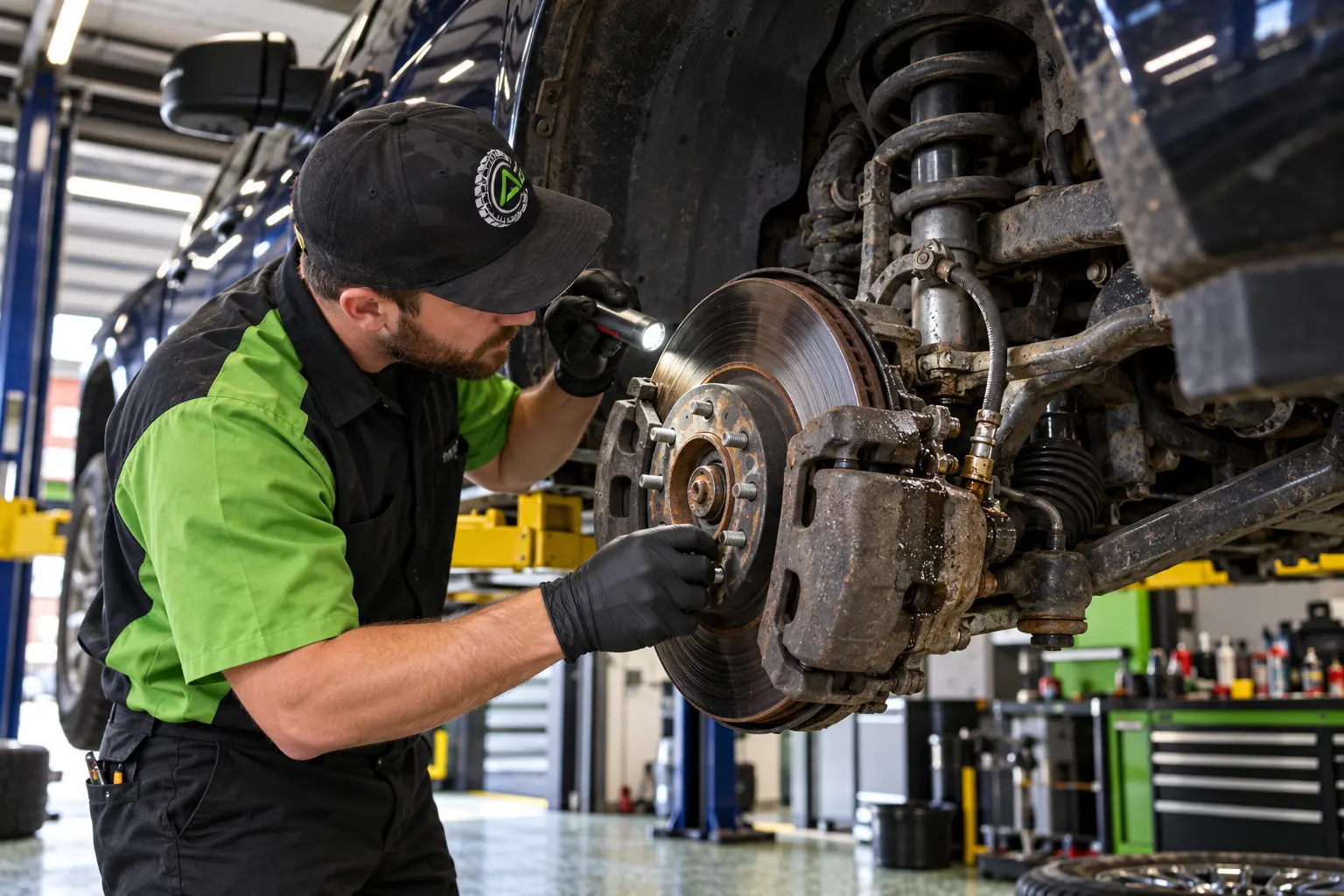
Brake-related failures can involve excessive wear, damaged components, fluid leaks or a parking brake that doesn’t function properly.
Ask for the actual findings. “Needs brakes” is less useful than an explanation of the affected parts and their condition.
The repair should address the cause as well as the worn component. For example, uneven pad wear may require checking caliper operation. Installing new pads alone may leave the underlying problem unresolved.
A soft brake pedal, reduced stopping ability or visible brake fluid leakage needs prompt attention. Don’t keep driving to see whether the symptoms improve.
Learn more about brake service and replacement in York, PA if braking components appear on your inspection findings.
Tire Wear and Damage
Inspectors assess tire condition, including tread and damage. A tire that holds air can still have an unsafe defect.
Ask the technician to show you where the problem is. Inner-edge wear can be difficult to see while the vehicle is parked, making a tire look healthier from the outside than it really is.
If replacement is necessary, also ask why the wear developed. Alignment, tire pressure and worn suspension components may need evaluation.
Replacing a damaged tire addresses that tire. Correcting the cause of abnormal wear helps protect the replacement.
Steering and Suspension Defects
Loose steering components, damaged suspension parts or excessive play can affect vehicle control.
Clunks over bumps or wandering on the road are useful symptoms to report, but they don’t identify the failed part by themselves. Inspection should establish which component is defective.
Ask whether the repair will require an alignment afterward. It’s better to understand the complete job before comparing estimates.
Around York and West York, pothole impacts are also worth mentioning when discussing recent changes in handling.
Lights, Wipers and Visibility Problems
Required lighting, windshield wipers, washers, mirrors and glass condition are part of the inspection process.
Some fixes are straightforward, such as replacing a failed bulb or worn wiper blade. Others need diagnosis. A light that repeatedly stops working may have a connection, wiring or moisture problem.
For windshield damage, avoid assuming that every chip means replacement or that every small crack is acceptable. Ask the inspector which condition applies to the damage on your vehicle.
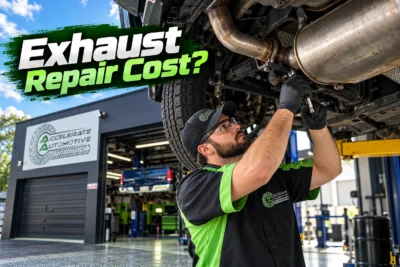
Exhaust Leaks and Corrosion
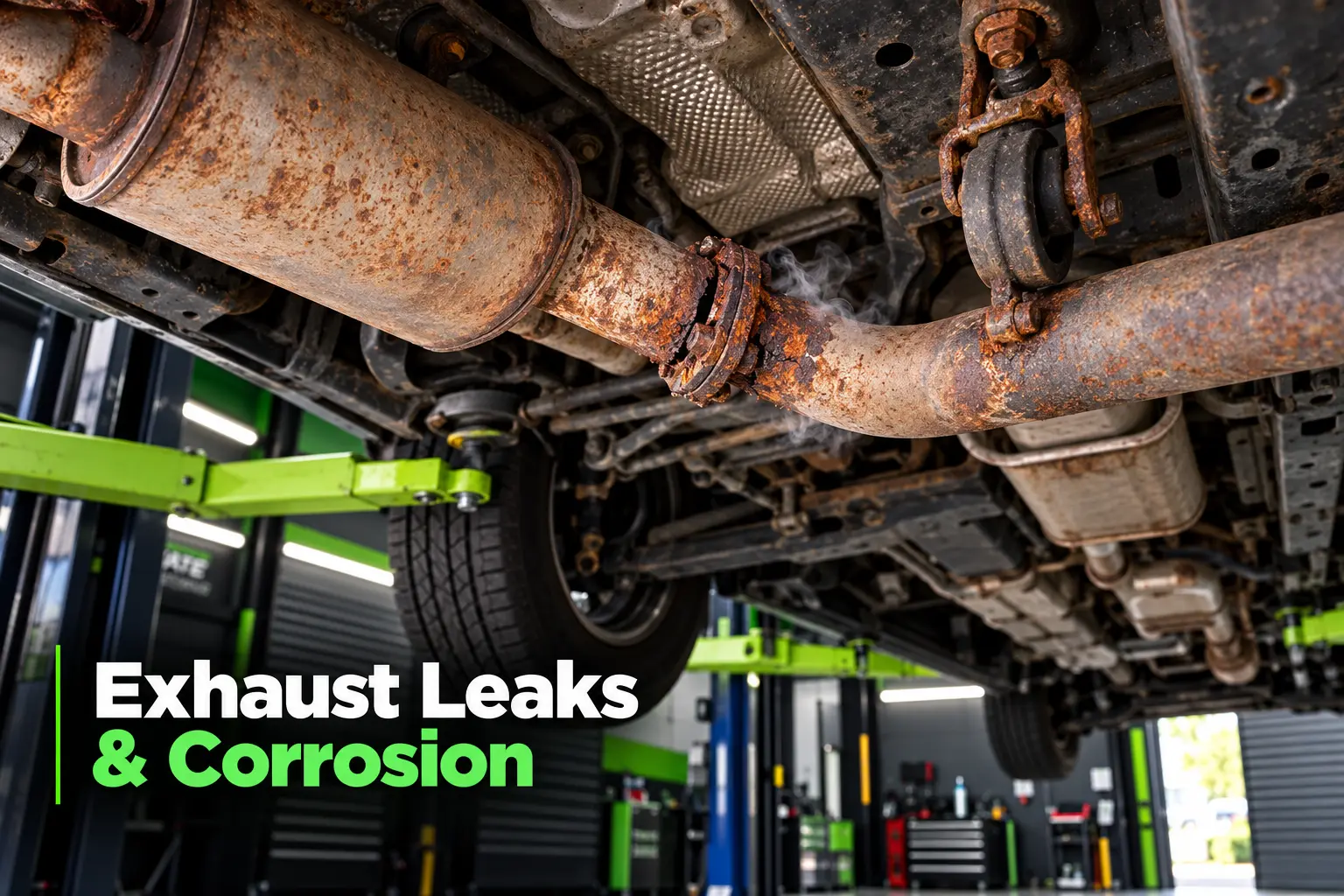
An exhaust problem may involve a leaking section, damaged mounting hardware or other deterioration.
Ask where the defect is and whether surrounding material is strong enough for a lasting repair. A patch attached to badly weakened metal may not provide a durable solution.
Winter road salt makes underbody condition worth watching in Pennsylvania. However, visible surface rust and serious structural deterioration are different findings.
If corrosion caused the failure, request an explanation of the affected area and the repair needed. Cosmetic covering does not restore lost structural strength.
Why Can a Check Engine Light Cause an Emissions Problem?
An illuminated check engine light can indicate an emissions-related malfunction relevant to an onboard diagnostics emissions test. The correct response is diagnosis, not guessing which part to replace.
A fault code helps identify the system or condition that needs investigation. It doesn’t always identify the defective component.
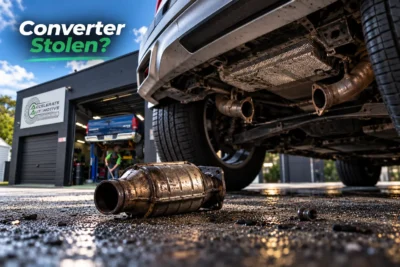
For example, a catalyst-related code should be evaluated in context. Other engine or exhaust problems may contribute to the result. Replacing an expensive component without establishing the cause can leave you facing the same warning light again.
Tell the technician whether you’ve noticed:
- Rough idling or shaking.
- Hard starting.
- Reduced power.
- Increased fuel consumption.
- A warning light that appears intermittently.
Accelerate Automotive offers engine diagnostics in York, PA to investigate warning lights and running problems before recommending repairs.
Will Clearing the Check Engine Light Help the Car Pass?
Clearing the light doesn’t repair the fault. It can also reset readiness monitors, which record whether the vehicle has completed certain emissions-system checks.
After a battery disconnect, code clearing or some repairs, those checks may need to run again before the vehicle is ready for testing.
“Not ready” and a confirmed malfunction aren’t identical results. Ask the technician to explain which result applies.
There isn’t one guaranteed mileage that prepares every vehicle. Monitor completion depends on the vehicle and operating conditions. Follow vehicle-specific guidance and have readiness checked before returning.
Don’t drive a vehicle with a serious mechanical problem simply to complete a drive cycle.
Can You Drive After Failing a PA Inspection?
A failed inspection does not automatically give you permission to keep driving. The vehicle’s safety condition and inspection status both matter.
Pennsylvania generally requires a currently valid inspection certificate for vehicles subject to the requirement. The law includes a limited exception for an owner driving to a scheduled inspection appointment within ten days after certificate expiration. That is not a general ten-day extension for commuting or errands. See Pennsylvania’s inspection certificate requirements.
Separately, a sticker does not make a dangerous defect safe.
If the findings involve serious brake problems, unstable steering, significant tire damage or another immediate hazard, ask about arranging towing. Don’t treat a repair appointment or retest window as confirmation that the vehicle is safe to drive.
How Much Do Failed Inspection Repairs Cost in York, PA?
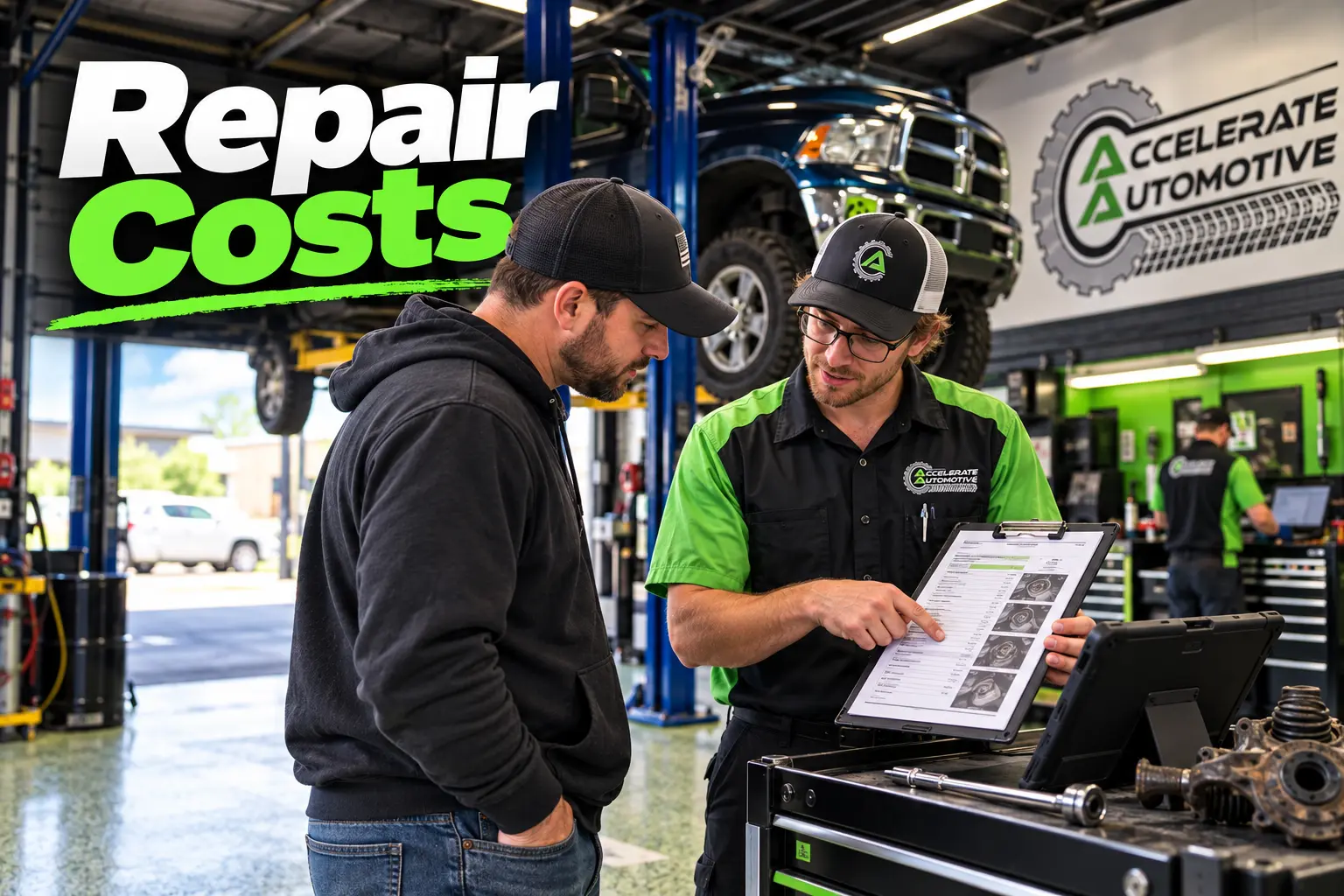
The cost depends on the defect, vehicle, required parts, labor and any diagnosis needed. An inspection failure is a result, not a fixed-price repair package.
Replacing a bulb and repairing extensive corrosion are very different jobs. A useful estimate should identify:
- The failed components or conditions.
- Diagnostic work, if needed.
- Parts and labor.
- Related work required to complete the repair.
- Any applicable reinspection or retesting charge.
When comparing shops, compare the scope of work. One estimate may include related hardware, while another covers only the main component.
Ask the shop to separate required repairs from optional maintenance. That gives you a clearer basis for deciding what to authorize.
For an older vehicle with several problems, request a broader condition assessment before committing to a large repair. Consider its overall reliability and upcoming needs alongside the immediate inspection work.
Can Another Shop Repair a Vehicle That Failed Inspection?
You can choose another repair provider. Bring the original inspection findings so the second shop can evaluate the identified problems.
If you want a second opinion, ask for an assessment of the specific defect. A useful explanation should address the component’s condition and why the proposed repair is necessary.
Confirm where you plan to have the vehicle reinspected. Ask that station what documentation it needs, what it will check and what charges apply.
Don’t assume a repair receipt alone guarantees a pass. The vehicle still needs to meet the applicable requirements when inspected.
How Should You Prepare for Reinspection?
Complete the necessary repairs, keep the records and confirm the return arrangements with the inspection station.
Bring your current registration and proof of insurance, along with the previous inspection findings and repair receipts.
Before returning, ask:
- Have all identified failure items been addressed?
- Is any additional diagnosis still outstanding?
- If emissions testing is involved, has readiness been checked?
- Do I need an appointment?
- What testing fees or conditions apply?
Safety reinspection and emissions retesting should not be treated as interchangeable. Confirm the arrangements for your actual test instead of relying on a general online deadline.
How Can You Reduce the Chance of Another Inspection Failure?
Schedule before the sticker expires so you have time to address unexpected findings.
You can also make a few practical checks beforehand:
- Test exterior lights with someone helping.
- Check whether the wipers clear the windshield.
- Look for obvious tire damage or uneven wear.
- Mention new noises, pulling or vibration.
- Arrange diagnosis for warning lights.
- Bring recent maintenance and repair records.
These checks won’t replace an inspection, but they can uncover problems early.
Be specific when describing symptoms. “The steering started pulling after I hit a pothole” gives a technician more useful information than “something feels wrong.”
Need Help With a Failed Inspection in York, PA?
You don’t have to approve a confusing repair list without understanding it. Start with the findings, ask what needs correcting and request an estimate tied to those issues.
Accelerate Automotive serves York, Pennsylvania, with a West York focus and a service area of approximately 30 miles.
Call 866-382-8861 to discuss your failed inspection and schedule an evaluation at 1231 W. Locust Street, West York, PA 17404. Have your inspection paperwork ready and mention any safety concerns when you call.
If you need the vehicle back quickly, ask about current availability. Completion time depends on the diagnosis, parts and work required.