

Blog
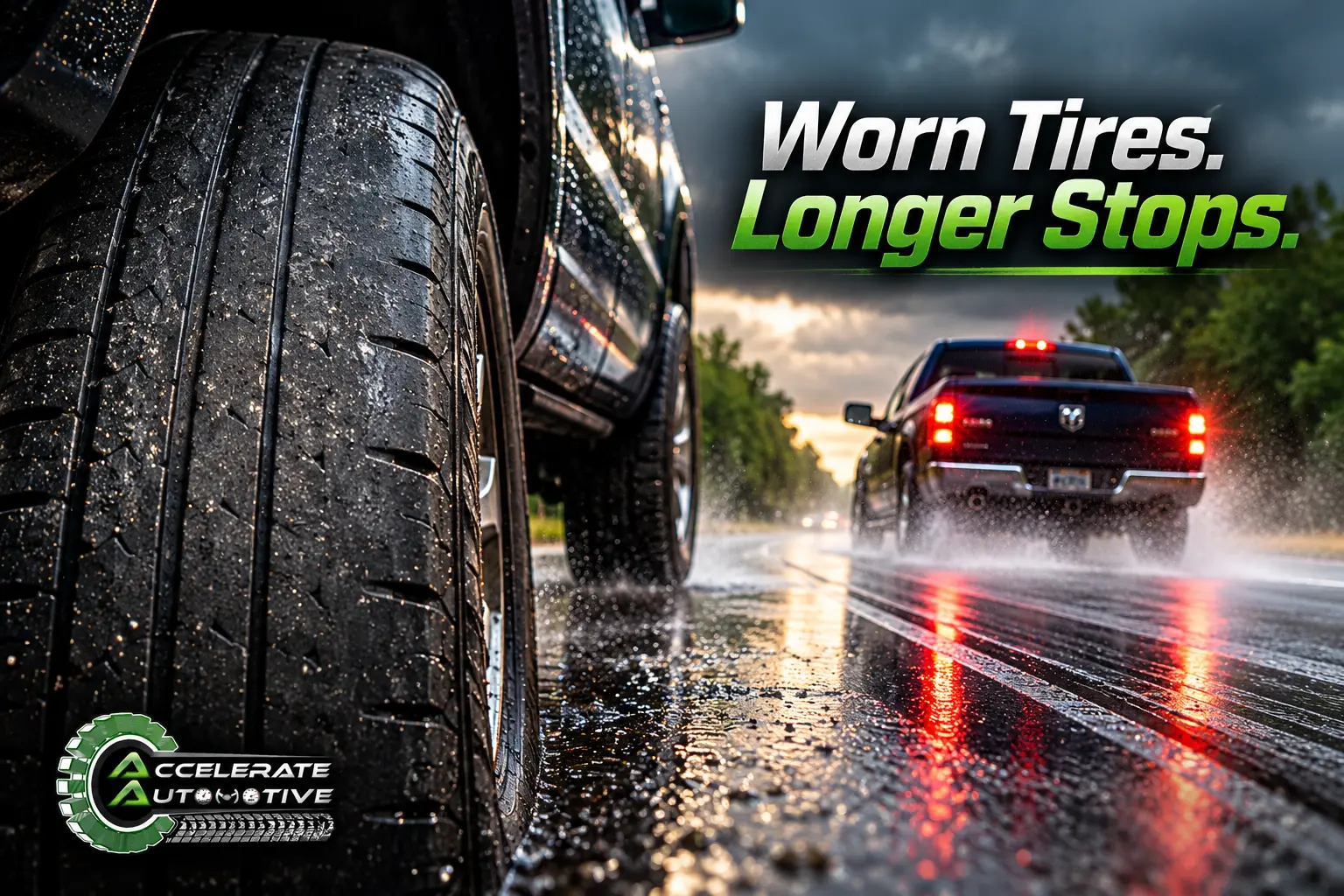
Every extra foot it takes your car to stop matters, especially on Route 30 during rush hour or on a wet side street in West York. Worn tires braking distance York PA is one of the most overlooked safety risks on local roads and it’s often invisible until you actually need to stop fast. A tire that looks fine at a glance can still have lost enough tread to add dozens of feet to your stopping distance. That gap is the difference between a close call and a collision.
What Happens to Braking Distance When Tire Tread Wears Down?
Tread grooves do one job above all else: they grip the road and channel water, gravel and debris away from the contact patch. As that tread wears thin, your tires lose the traction they need to slow the car quickly.
A new passenger tire typically starts with around 10/32 inch of tread. Once it drops toward 2/32 inch, the legal minimum in Pennsylvania, braking performance drops sharply. Independent testing has shown stopping distances can increase by 30 to 45 percent on wet pavement once tires reach that worn stage, sometimes adding well over 100 feet before the car comes to rest.
On a two-lane road in York or a rainy commute down George Street, that extra distance can be the margin between stopping in time and rear-ending the car ahead.
How Much Tread Do You Actually Need to Stop Safely?
There’s no single answer that fits every vehicle, but tire engineers agree on a rough rule: braking performance starts declining well before tires hit the legal minimum. Here’s a general breakdown of wet-road stopping distance as tread wears down:
- 10/32 inch tread: shortest stopping distance, full wet-weather grip
- 6/32 inch tread: noticeably longer stopping distance begins
- 4/32 inch tread: a widely recommended replacement point for most drivers
- 2/32 inch tread: legal minimum in Pennsylvania, but stopping distance is significantly longer than a new tire
The National Highway Traffic Safety Administration tracks this relationship closely and has found that tires below the recommended tread depth are involved in crashes at a much higher rate than properly maintained tires.
Why Wet Roads Make Worn Tires Even More Dangerous
York gets its fair share of rain throughout the year and wet pavement is where worn tires cause the most trouble. Shallow tread can’t push water out of the way fast enough, so a thin film builds up between the tire and the road. That’s hydroplaning and it means your brakes and steering have far less to work with.
Drivers who commute along Route 30, Route 462 or the back roads around West York should pay close attention here. A tire with plenty of tread displaces water efficiently. A worn one rides on top of it and that’s when a routine stop turns into a skid.
Warning Signs Your Tires Are Putting Your Family at Risk
You don’t need special tools to spot most tread problems early. Watch for these signs between visits:
- Tread that looks smooth or shiny across the center of the tire
- Wear bars becoming flush with the surrounding tread
- Uneven wear on one edge, which often points to alignment issues
- Visible cracking or small cuts along the sidewall
- A longer, vaguer feeling when braking, as if the car takes a beat to respond
- Vibration at highway speed that wasn’t there before
If two or more of these sound familiar, it’s worth having your tires checked before your next long drive.
Is It My Tires or My Brakes Slowing My Stopping Power?
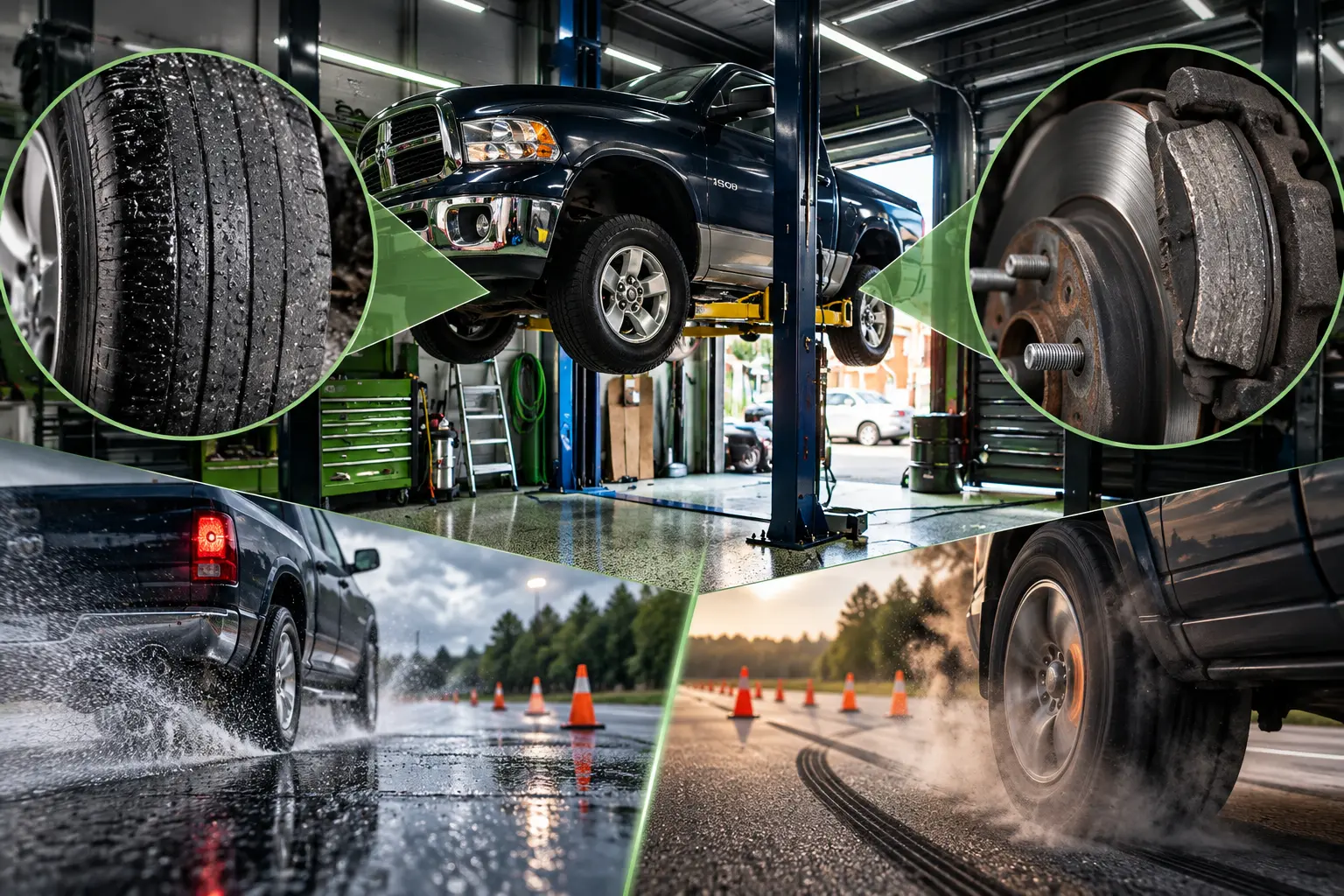
This is one of the most common questions we hear and it’s a fair one, because the symptoms can feel similar. Worn brake pads usually announce themselves with a squeal or grinding sound, along with a pedal that feels soft or sinks lower than usual. Worn tires, on the other hand, tend to show up as skidding, sliding or a longer overall stopping distance, even when the brakes themselves feel responsive.
In many cases, it’s actually both working against you at once. A car with aging tires and aging brake pads compounds the problem and stopping distance suffers even more. Our team can check both systems during the same visit through our brake service and replacement, so you get a clear answer instead of guessing.
How Often Should York, PA Drivers Check Tire Tread?
A quick monthly check takes less than five minutes. Use the quarter test: place a quarter into the tread groove with Washington’s head facing down. If you can see the top of his head, it’s time to start planning a replacement.
Beyond the monthly check, it’s smart to have tread depth measured professionally at every oil change or seasonal service. Uneven wear patterns are easier to catch early and catching them early often means a simple fix, like an alignment, rather than an early tire replacement. Our wheel alignment service in York, PA addresses one of the most common causes of premature tread wear.
Pennsylvania’s state inspection program also checks tread depth once a year, but that’s a minimum safety net, not a substitute for regular checks. You can read more about the state’s vehicle inspection requirements for a fuller picture of what’s tested.
What Does Tire Replacement Cost in York, PA?
Costs vary depending on your vehicle and the tire brand you choose, but most drivers in the York area budget somewhere between a few hundred dollars for a pair and closer to full-set pricing when all four need replacing at once. Replacing tires in pairs or as a full set, rather than one at a time, keeps handling balanced and avoids uneven braking between axles.
Our team walks you through the options for your specific vehicle, driving habits and budget, so you’re not stuck choosing blind off a price list. You can see our full range of options through our tire services in York, PA.
Book Your Tire Safety Check at Accelerate Automotive
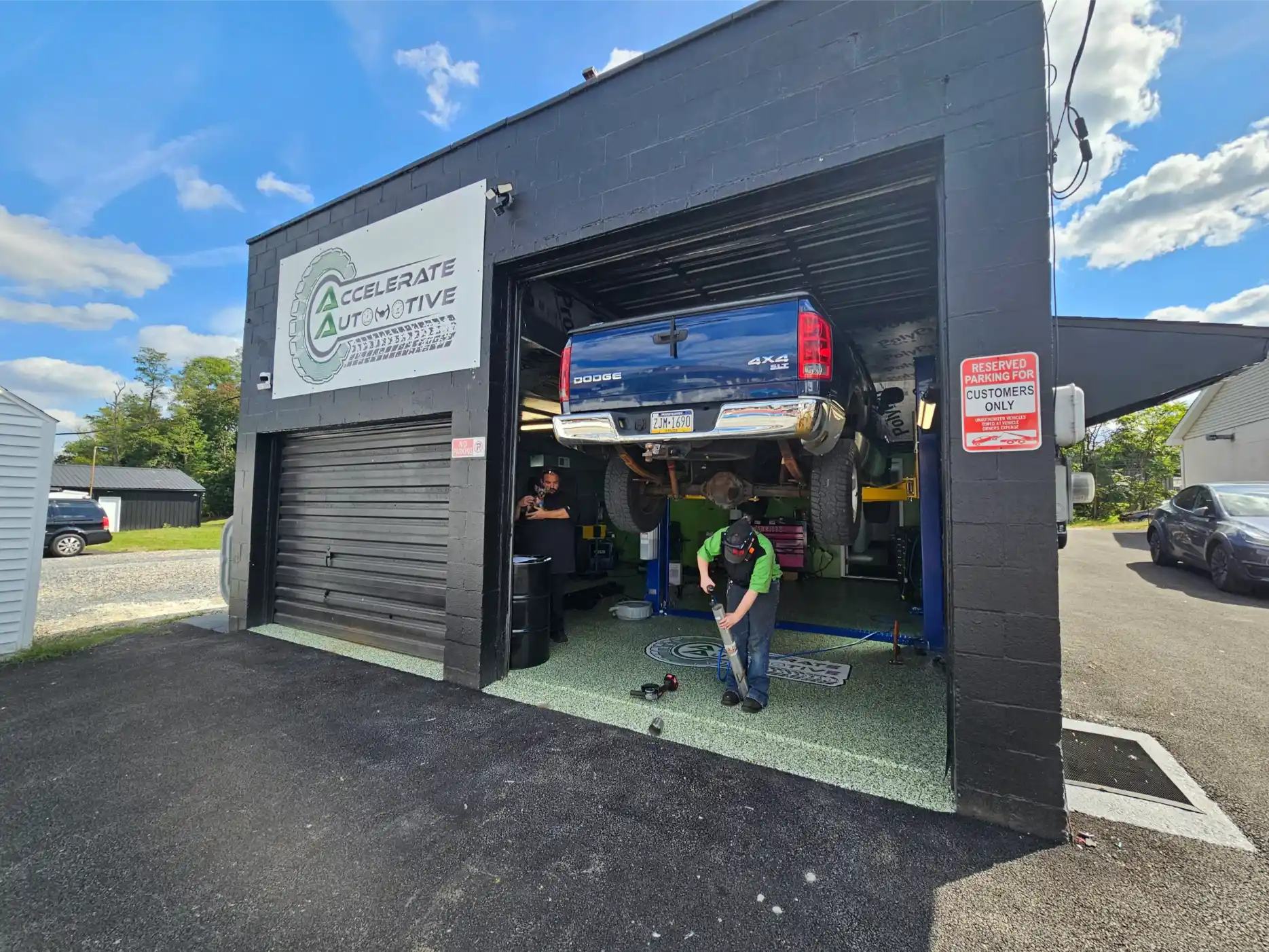
Worn tires don’t send a warning light. The only way to know for sure is to have them measured by someone who checks tread depth every day. Our shop serves York and West York with straightforward inspections, honest recommendations and same-day service when your schedule needs it.
If it’s been a while since your last tire check or you’ve noticed longer stopping distances on wet roads, give us a call at 866-382-8861 or stop by. We also offer 24/7 drop-off, so you can leave your car with us whenever it’s convenient and we’ll have it ready when you need it. You can also reach out directly through our contact page to schedule your visit.
Your family’s safety shouldn’t come down to a few worn-out millimeters of rubber. A five-minute check today could save you a much longer story down the road.