

If your manual transmission feels like it’s working harder than usual or your engine revs without matching your speed, you’re likely dealing with clutch slipping signs. It’s one of those problems that starts small and gets expensive fast if you ignore it. Drivers across York, Pennsylvania, bring their vehicles to us every month with this exact complaint and catching it early almost always saves money down the road.
What Does a Slipping Clutch Feel Like?
A slipping clutch usually shows up as a disconnect between your engine and your wheels. You press the accelerator, the engine revs higher, but your car doesn’t pick up speed the way it should. It’s a strange sensation once you notice it, almost like your car has lost some of its pull.
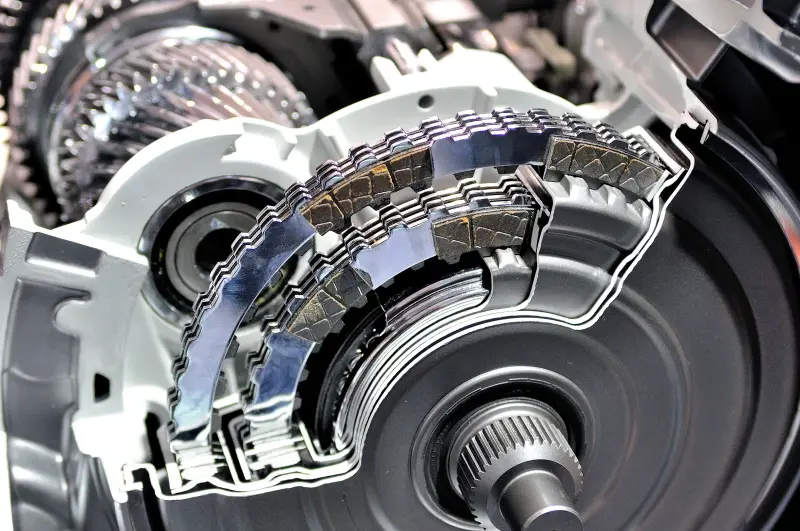
This happens because the clutch plate can no longer grip the flywheel properly. Instead of transferring power cleanly, it slides against it, wasting energy as heat and wear.
7 Clutch Slipping Signs to Watch For
Recognising the signs of a slipping clutch early gives you options. Wait too long and repair often turns into full replacement.
- High RPMs with little acceleration. Your engine revs, but your car doesn’t respond the way it used to, especially on hills.
- A burning smell from under the hood. Friction material overheating gives off a distinct, acrid odour.
- Difficulty climbing hills. Slipping clutch uphill is one of the most common complaints we hear, since inclines demand more grip than flat roads.
- Clutch pedal feels different. It might sit higher, lower or feel spongy compared to how it used to.
- Reduced fuel efficiency. A clutch that can’t transfer power efficiently forces your engine to work harder, burning more fuel.
- Delayed response when shifting gears. There’s a pause or slip between letting out the clutch and your car actually moving.
- A burning smell paired with slow acceleration under load, particularly when towing or carrying a full load.
Not every driver experiences all seven. Some notice a burning smell first; others catch the RPM mismatch before anything else. Either way, these are the clutch slipping symptoms worth paying attention to.
What Causes a Clutch to Slip?
A handful of underlying issues typically explain what causes clutch slip in the first place.
Normal Wear and Contamination
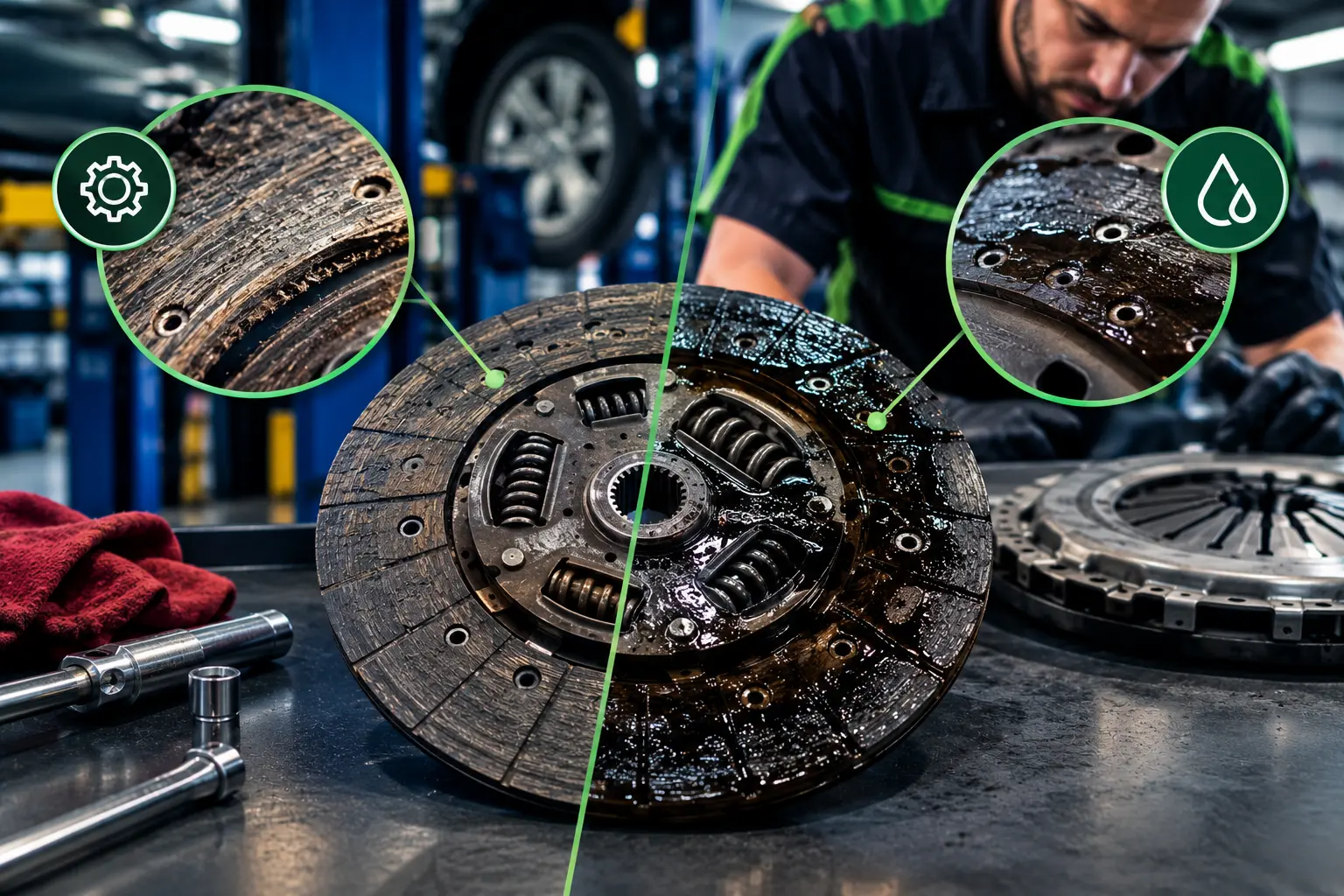
Normal wear and tear tops the list. Every time you use your clutch, a small amount of friction material wears away. Over tens of thousands of miles, that material thins out until it can’t maintain proper grip.
Contamination is another common culprit. Oil or hydraulic fluid leaking onto the clutch disc reduces friction dramatically, even on a relatively new clutch.
Mechanical and Hydraulic Failures
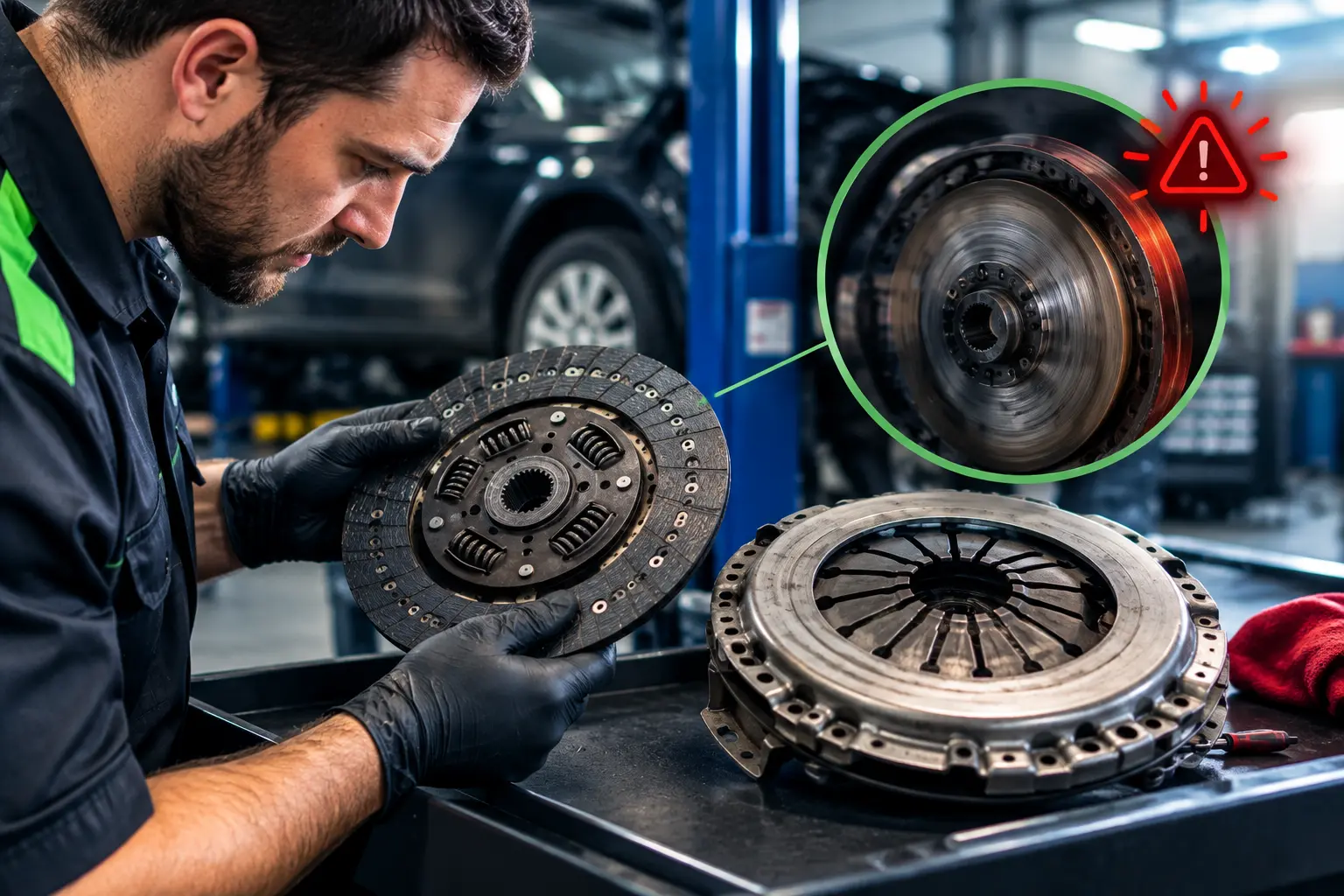
A worn pressure plate loses its clamping force over time, meaning it can no longer press the clutch disc against the flywheel with enough strength.
Hydraulic system problems, including issues with the master or slave cylinder, can prevent the clutch from engaging fully, mimicking the symptoms of a worn clutch even when the disc itself is fine.
Driving habits play a role too. Riding the clutch, towing heavy loads regularly or frequent stop-and-go driving on York’s hillier routes all accelerate wear.
Is a Slipping Clutch Dangerous to Drive?
Yes and this is worth taking seriously. A slipping clutch can leave you without reliable acceleration exactly when you need it, such as merging onto Route 30 or pulling out into traffic. As it worsens, you risk losing power entirely, sometimes without warning.
There’s also a mechanical risk. Continuing to drive on a severely worn clutch can damage the flywheel and pressure plate, turning what might have been a straightforward clutch repair into a much larger bill.
Clutch Repair or Replacement: How Do You Know Which One You Need?
This is the question we get asked most and the honest answer is that it depends on how far the wear has progressed.
When Repair Makes Sense
If you’ve caught the clutch slipping signs early, a technician may be able to address the issue through clutch repair rather than a full replacement, particularly if the problem stems from hydraulic components or minor contamination rather than a worn disc.
When Replacement Is the Only Fix
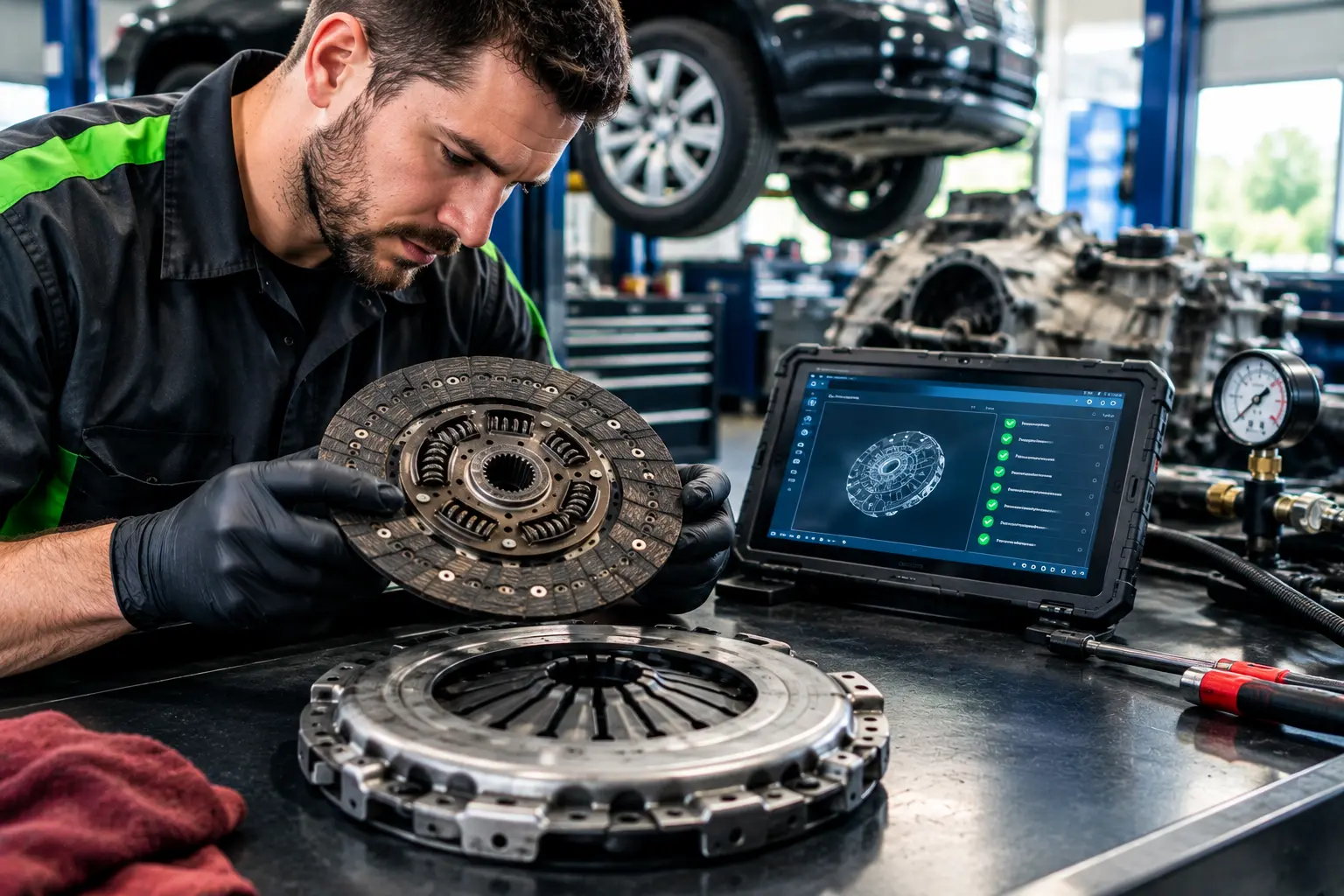
Once the friction material has worn down significantly or the pressure plate has lost its clamping strength, replacement becomes the only real fix. A qualified technician will inspect the clutch assembly, check for contamination and test hydraulic pressure to determine which path makes sense for your vehicle. Guesswork isn’t part of a proper diagnosis and it shouldn’t be part of yours either.
If your slipping clutch has progressed alongside other drivetrain symptoms, it’s also worth having your transmission checked at the same visit, since clutch and transmission issues sometimes overlap.
How Much Does Clutch Repair Cost in York, PA?
Clutch repair cost varies depending on your vehicle’s make, model and how far the wear has progressed. Hydraulic repairs, such as replacing a master or slave cylinder, typically cost less than a full clutch kit replacement, which involves the disc, pressure plate and often the release bearing.
The only way to get an accurate number is through an in-person inspection. We’ll walk you through exactly what we find, what it’ll cost and why, before any work begins.
When Should You Get Your Clutch Checked?
If you’re noticing any combination of these clutch slipping signs, don’t wait for it to get worse. A quick inspection now is far less stressful than a breakdown later, particularly heading into York’s winter driving conditions when reliable acceleration matters most.
It’s also worth mentioning that ASE-certified technicians follow standardised diagnostic procedures for drivetrain issues like this, which is why choosing a shop with certified staff makes a real difference in getting an accurate diagnosis the first time. And if your vehicle is due for its Pennsylvania state safety inspection, a slipping clutch is exactly the kind of drivetrain issue an inspector will flag.
Get Your Clutch Checked at Accelerate Automotive
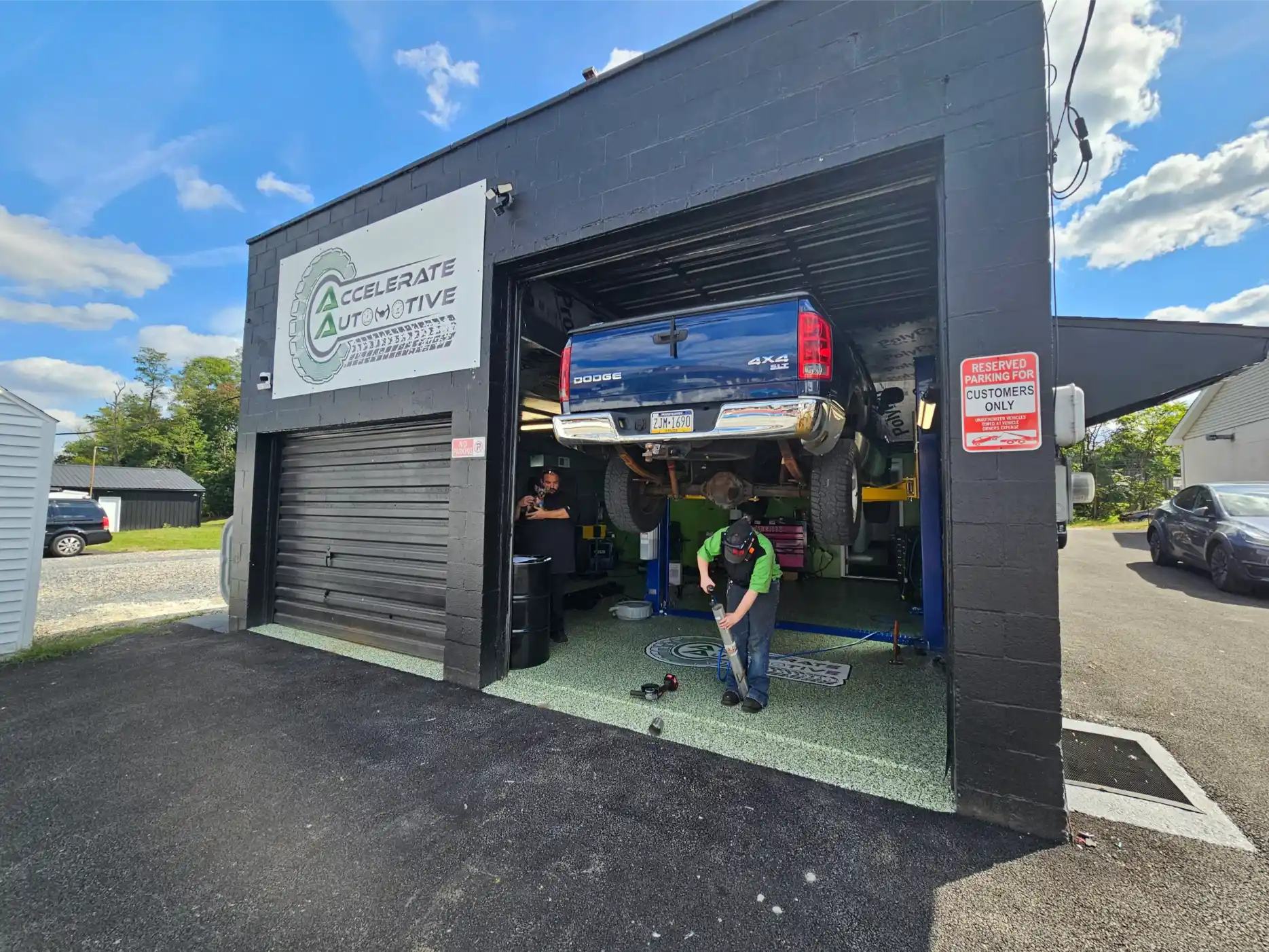
We’ve been diagnosing clutch problems for drivers across York and West York for years and we know the difference between a repair and a replacement isn’t always obvious without a proper look underneath. If your car is showing any of these signs, don’t wait until you’re stuck on the shoulder.
Book your clutch inspection with Accelerate Automotive today or drop your vehicle off any time, day or night, with our 24/7 drop-off service. We’re open Monday to Friday, 10:00 to 18:00 and Saturday, 9:00 to 14:00, with evening appointments available on request. Call us at 866-382-8861 and we’ll get your clutch sorted before it leaves you stranded.